Jenevora Searight was born in 1936 in Devizes, England, where she lives today. She studied Fine Art at the École Nationale Supérieure des Beaux-Arts in Paris and lived briefly in India, where she started botanical sketching. Jenevora eventually moved to Rio de Janeiro and befriended artist Margaret Mee, whose paintings of orchids and bromeliads from the Rio Negro region proved inspirational. Jenevora’s interest in birds began when she was asked to illustrate a guidebook for Rio’s Bird Watchers Club. Over the next 15 years she joined several scientific and photographic expeditions around Brazil, drawing birds and other wildlife in their habitats.
During the 80s and 90s, Jenevora travelled throughout Brazil, spending time in ecological reserves and national parks. She joined a Royal Geographical Society expedition to the rainforests of Maracá island in Roraima. There she sketched the Blue-and-yellow macaw and made her own bird guidebook. In the Serra dos Carajás, she drew the Green-winged macaws gnawing open Brazil nuts with their beak. After observing the last of its species in the district of Curaçá, Jenevora was able to paint the Spix macaw before it was declared extinct in the wild in 2019.
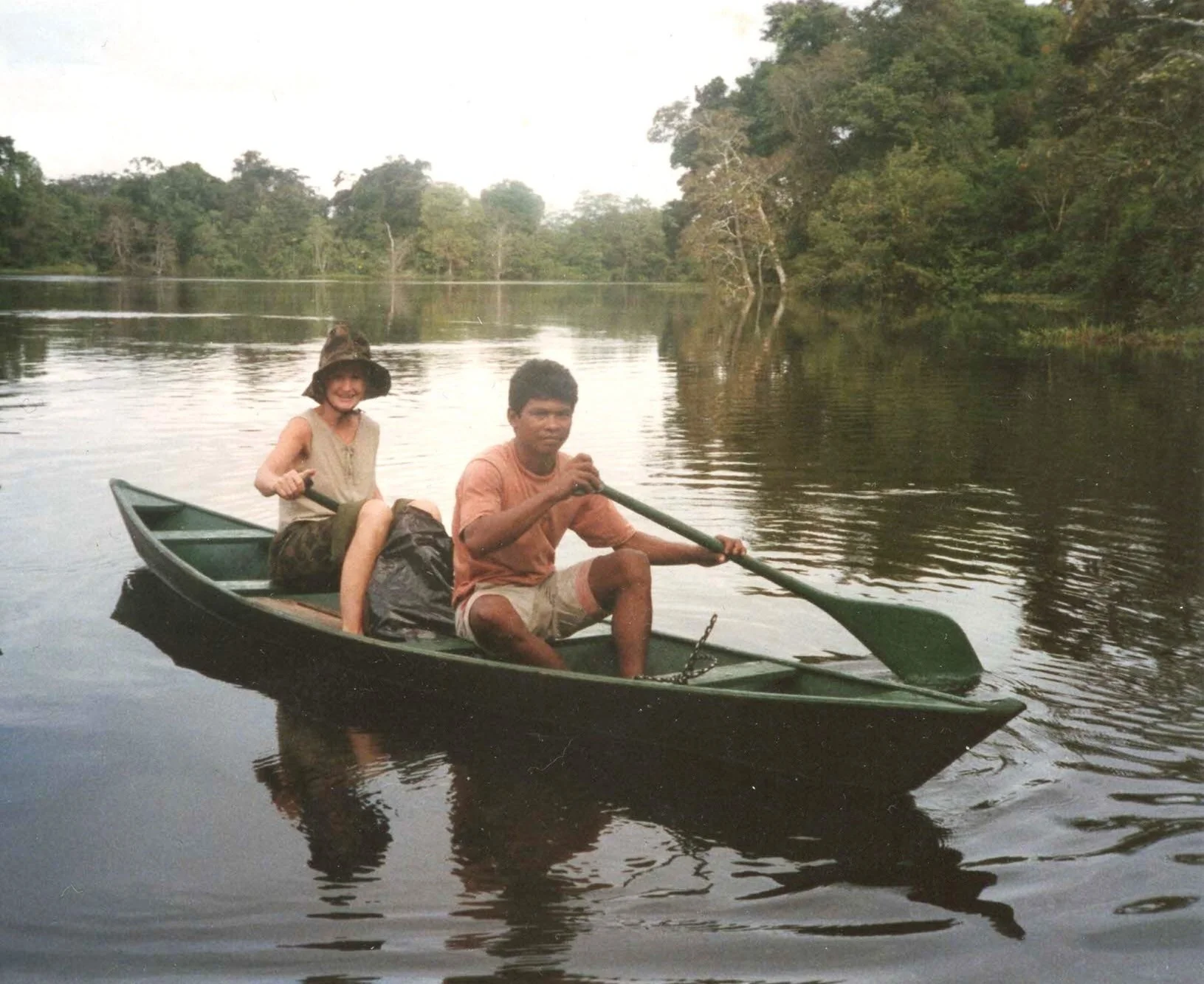
Jenevora with guide Tito at the delta of Japurá and Solimões rivers, Mamirauá
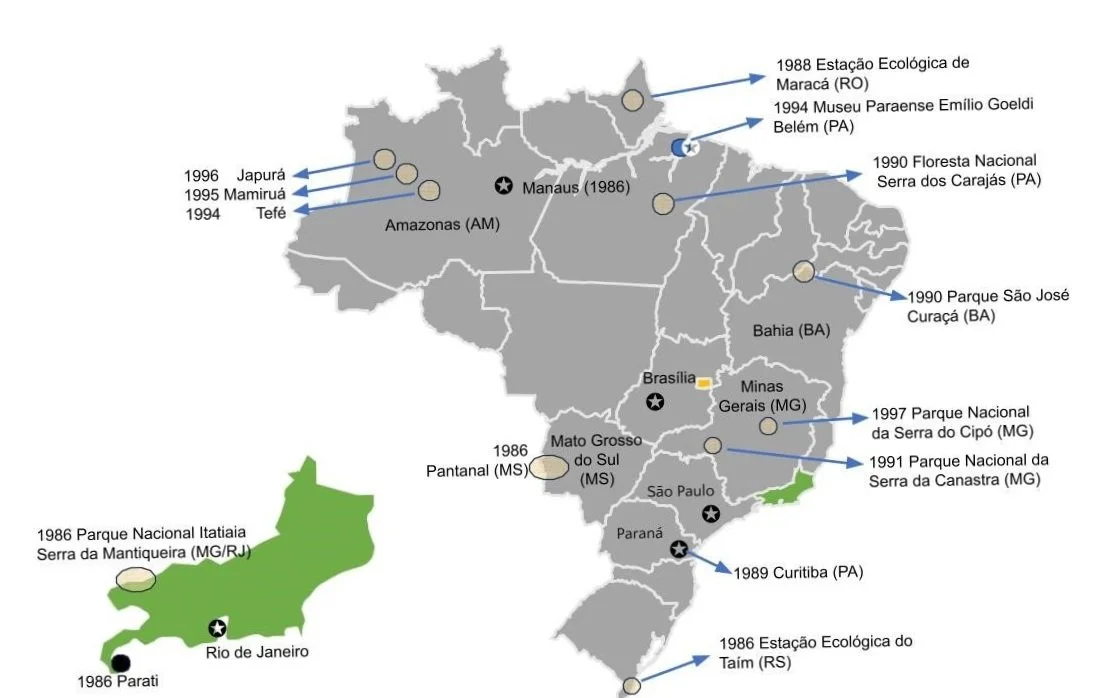
Also in the north, she spent time in Mamirauá Sustainable Development Reserve, the first of its kind in the world. Further south, Jenevora travelled within the Pantanal wetlands where she sketched the endangered Hyacinth macaw. In the far south of Brazil, she visited Taim Ecological Reserve, a stretch of land between the Atlantic and Mirim Lake, also rich in birdlife. This trip resulted in a series of paintings of waterbirds.
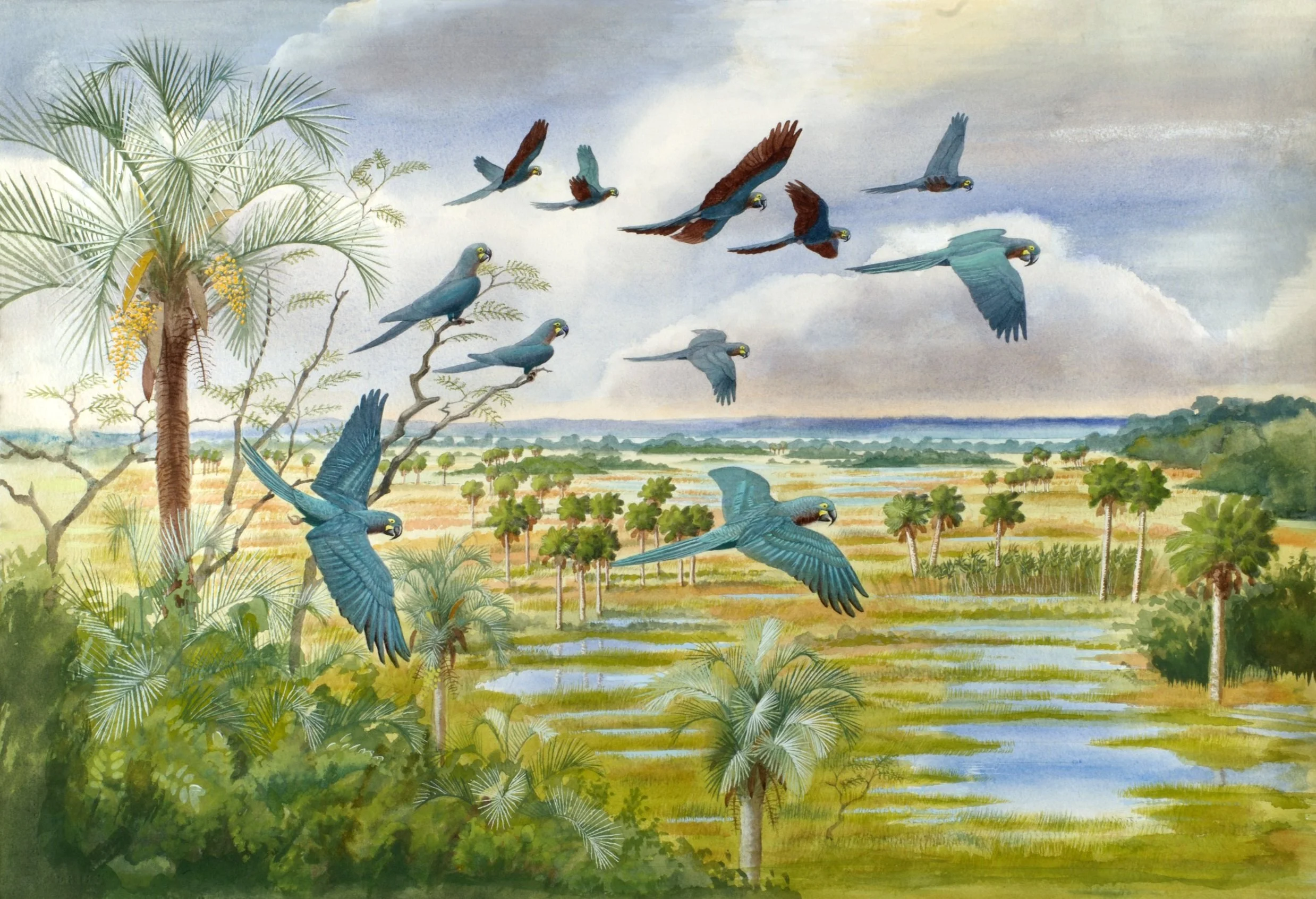
Painting of the extinct Glaucous macaw (Anodorhynchus glaucus) in its habitat
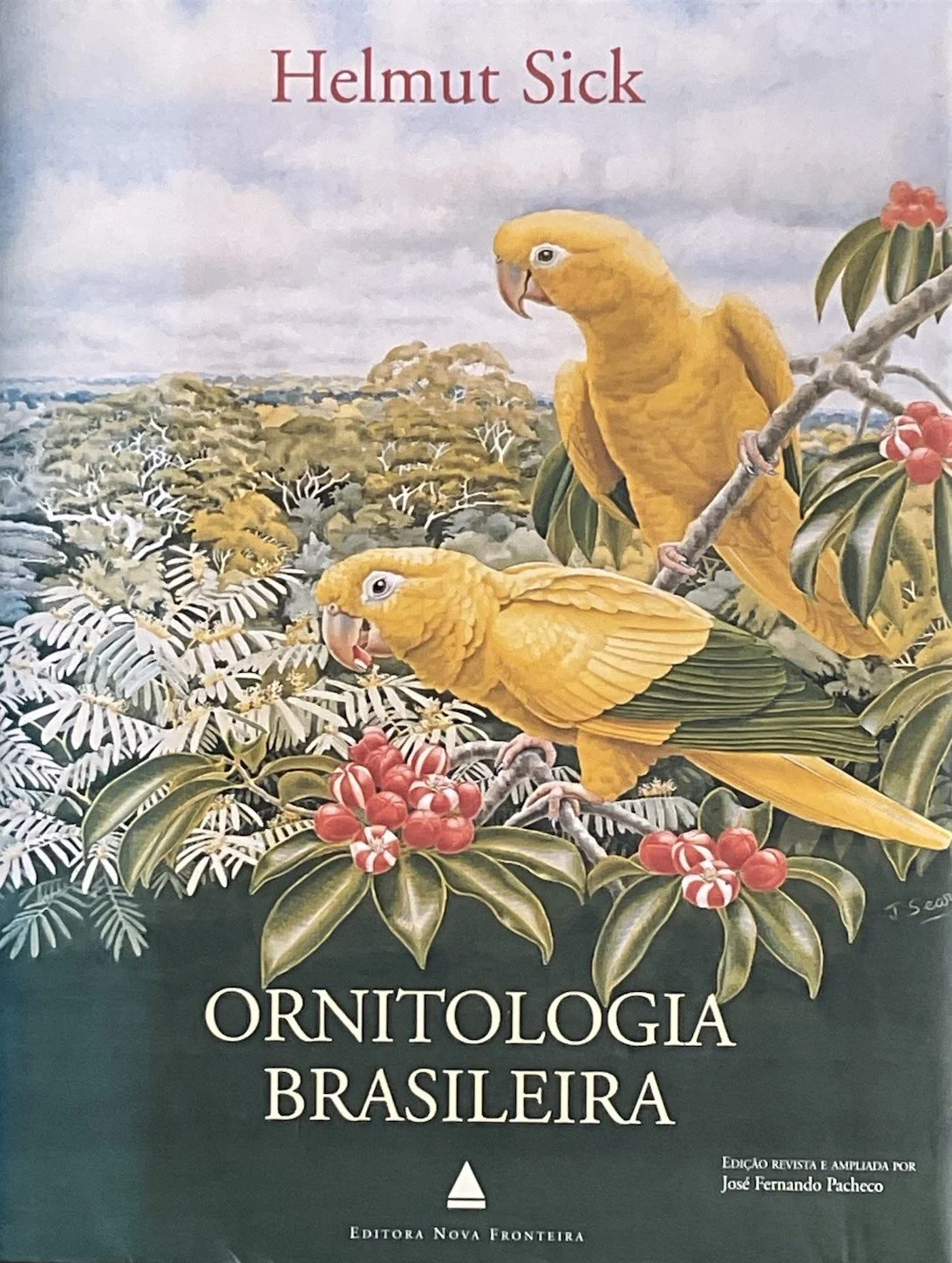
Jenevora’s painting of the Conure parrot (Guaruba guarouba) was commissioned for the jacket cover of one of Helmut Sick’s most influential works, Ornitologia Brasileira, (2nd ed. 1997), published posthumously. They had often crossed paths in their pursuit of all things feathered. A prominent ornithologist, Sick emigrated from Germany to Brazil in 1939, publishing more than 200 papers and leading scientific expeditions in remote areas of Brazil. He described several species of Neotropical birds, including the Brasília tapaculo, long-tailed cinclodes, Stresemann's bristlefront and golden-crowned manakin.
Botanical paintings by Jenevora Searight
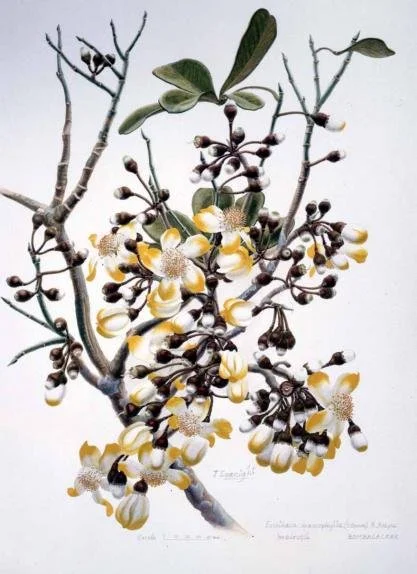
Eriotheca macrophylla held in the Shirley Sherwood Collection

Corylus maxima held by Chelsea Physic Garden Florilegium Society

Glaucium flavum held by Chelsea Physic Garden Florilegium Society

Iris foetidissima, prize-winner at the American Society of Botanical Artists
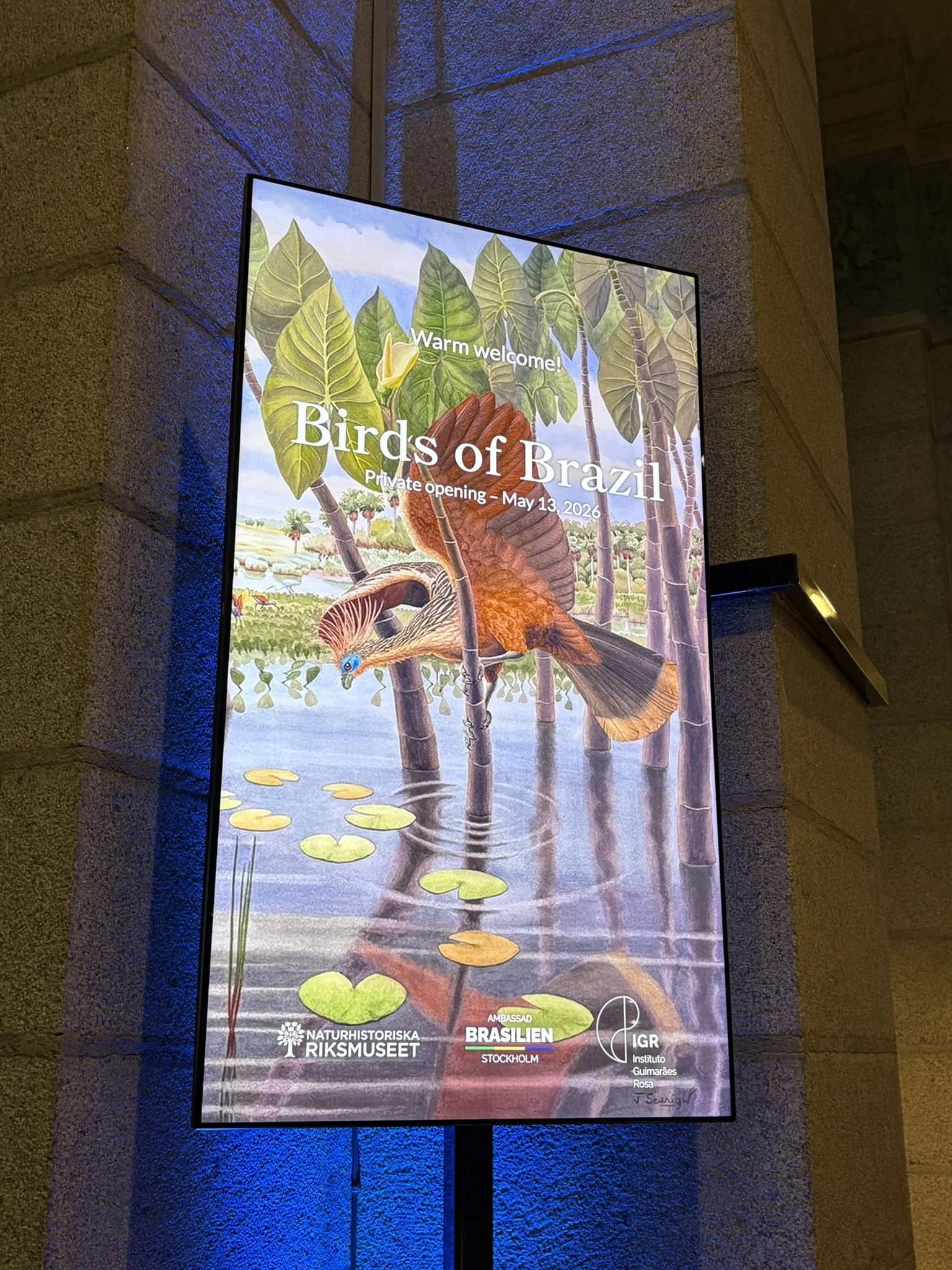
BIRDS OF BRAZIL EXHIBITION IN STOCKHOLM
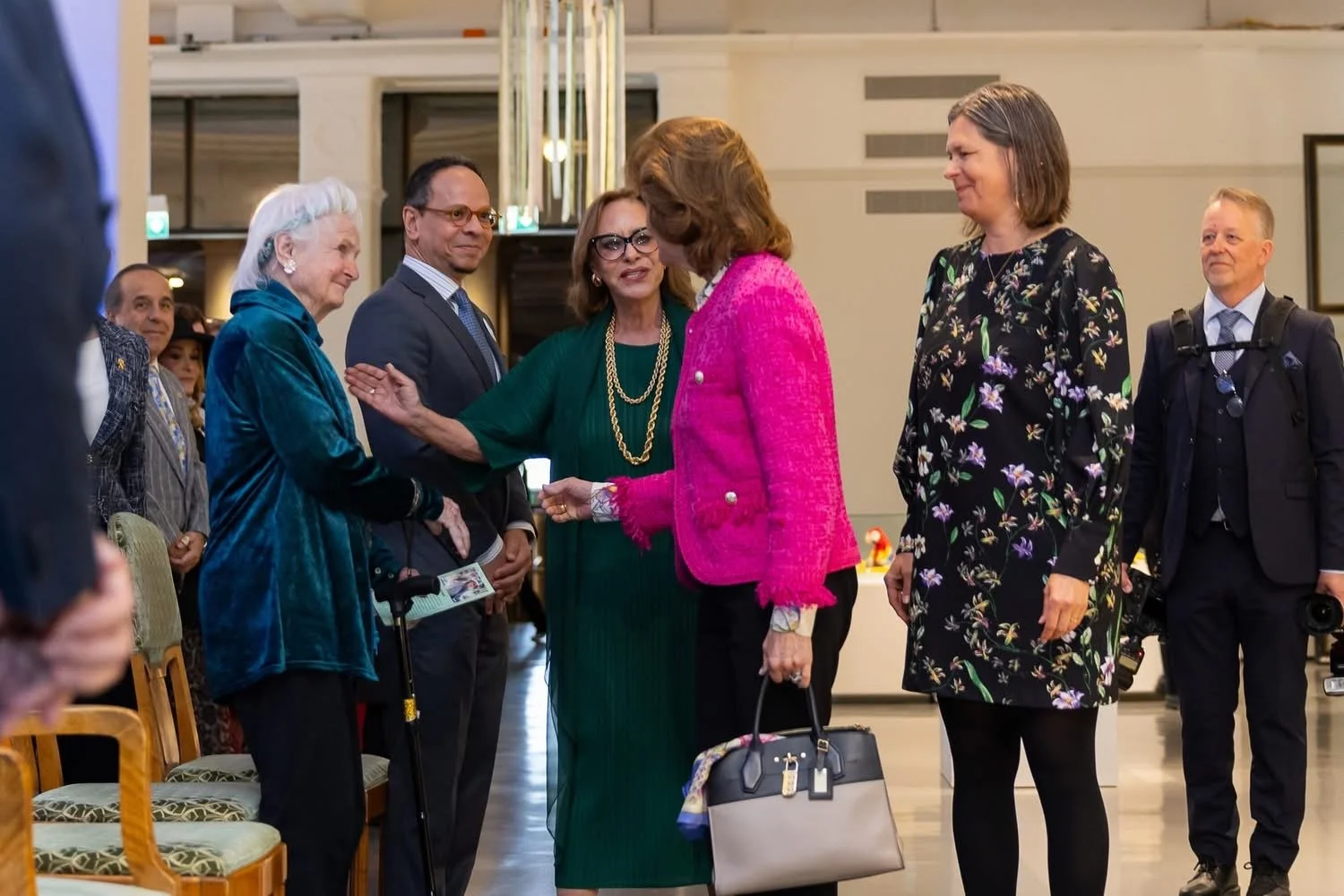
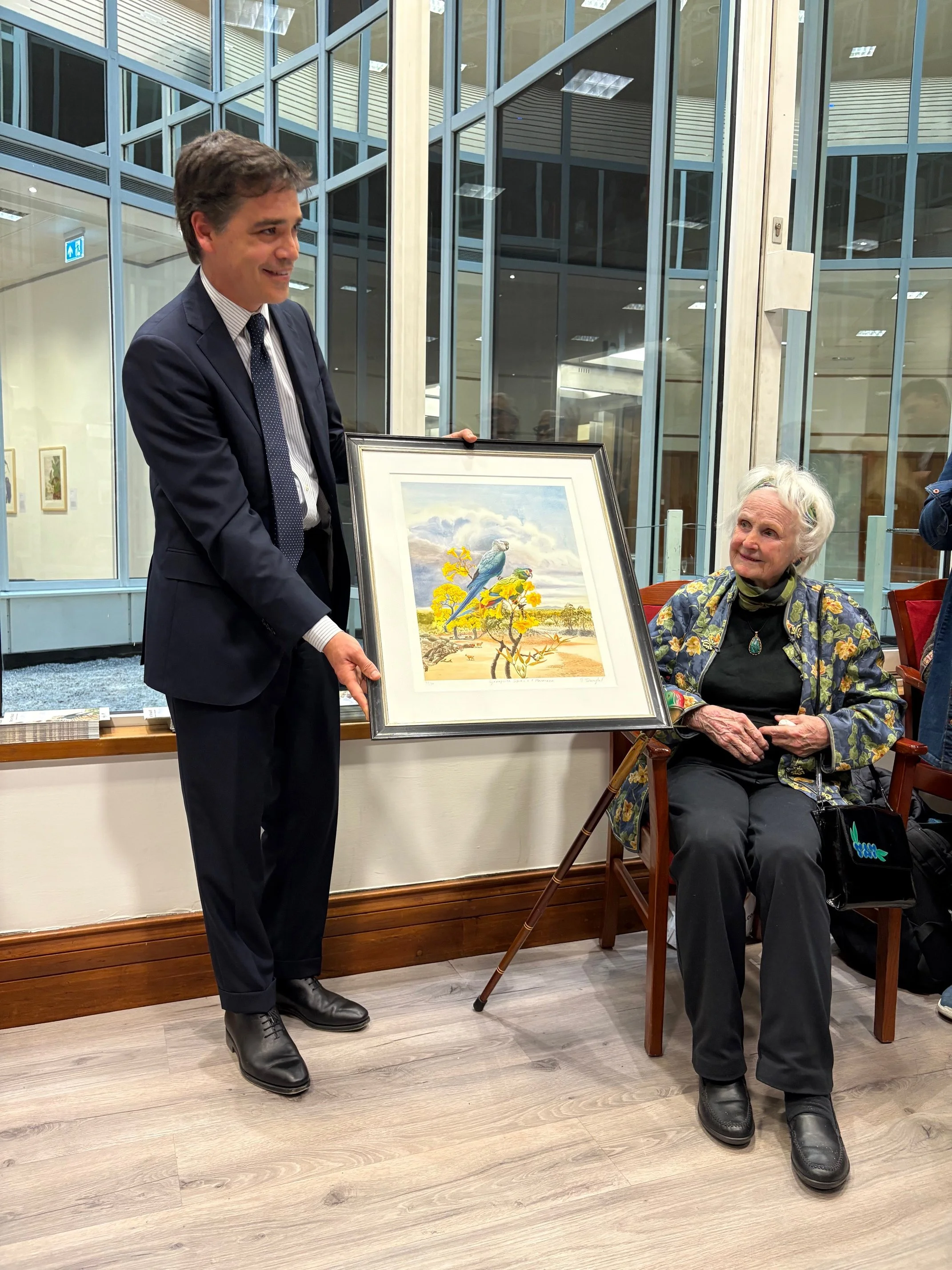
BIRDS OF BRAZIL EXHIBITION OPENED ON 14 MAY 2026 BY THE QUEEN OF SWEDEN IN THE NATURAL HISTORY MUSEUM
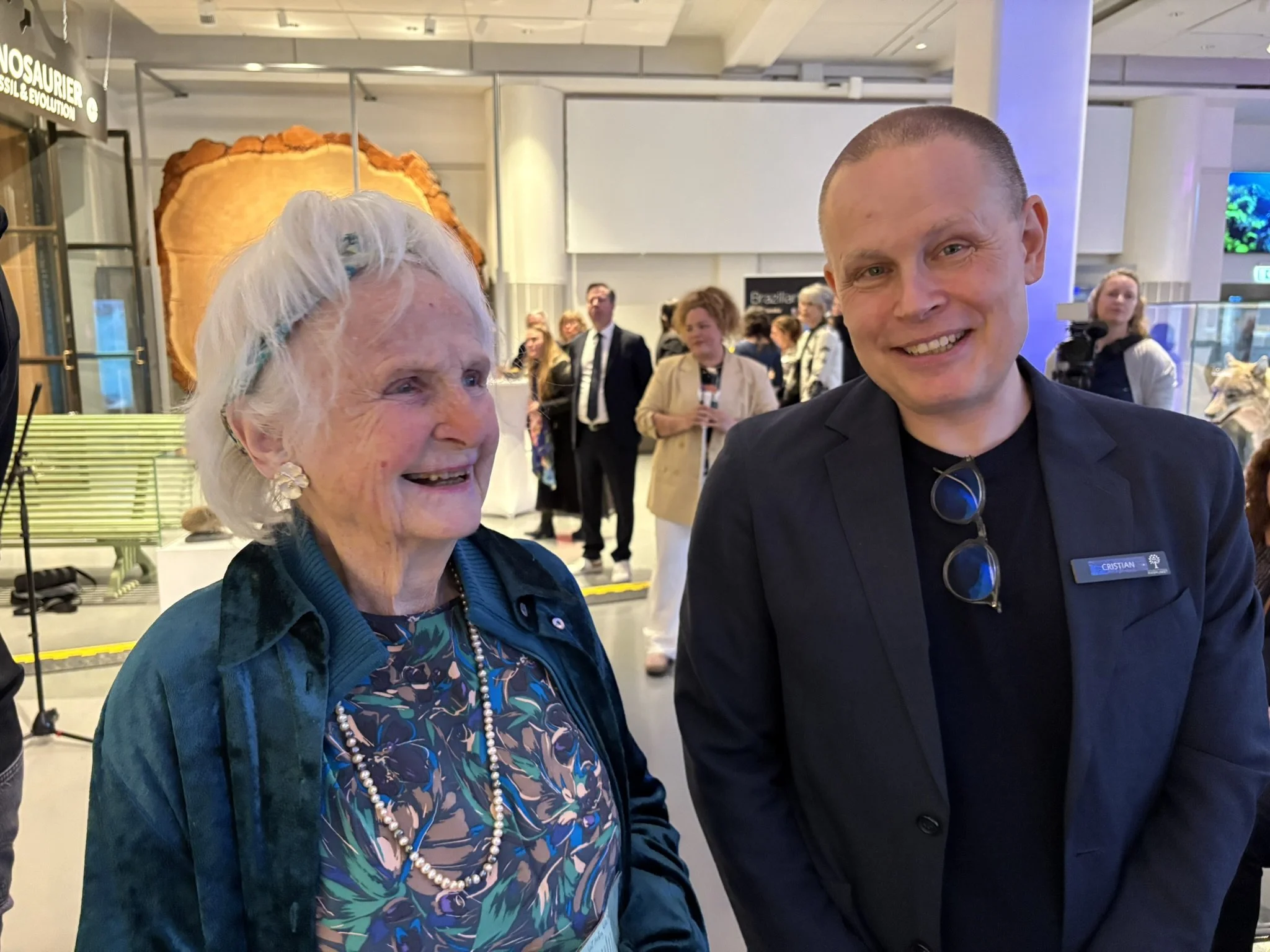
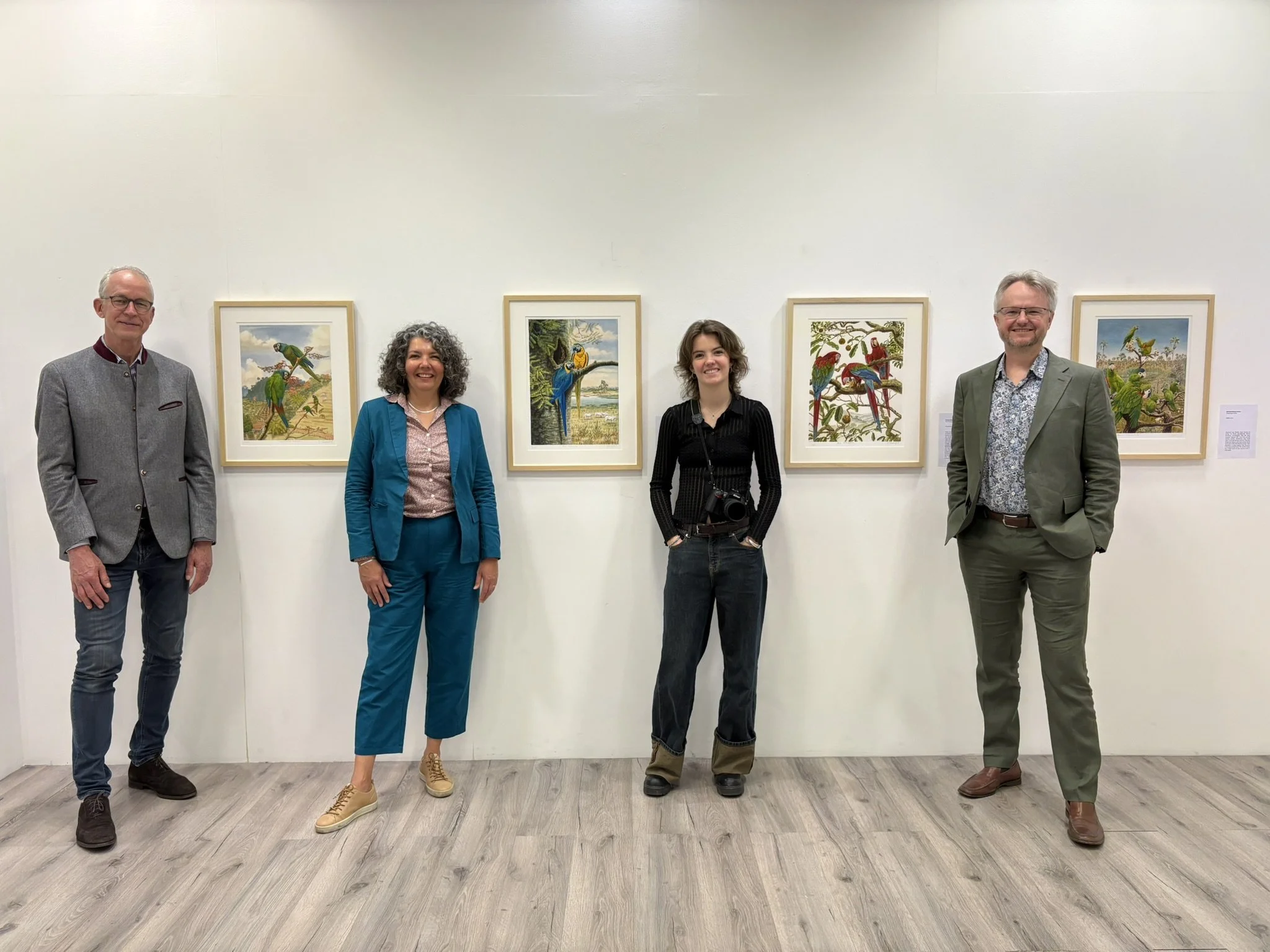
WITH THE HEAD OF EXHIBITIONS AT NATURAL HISTORY MUSEUM
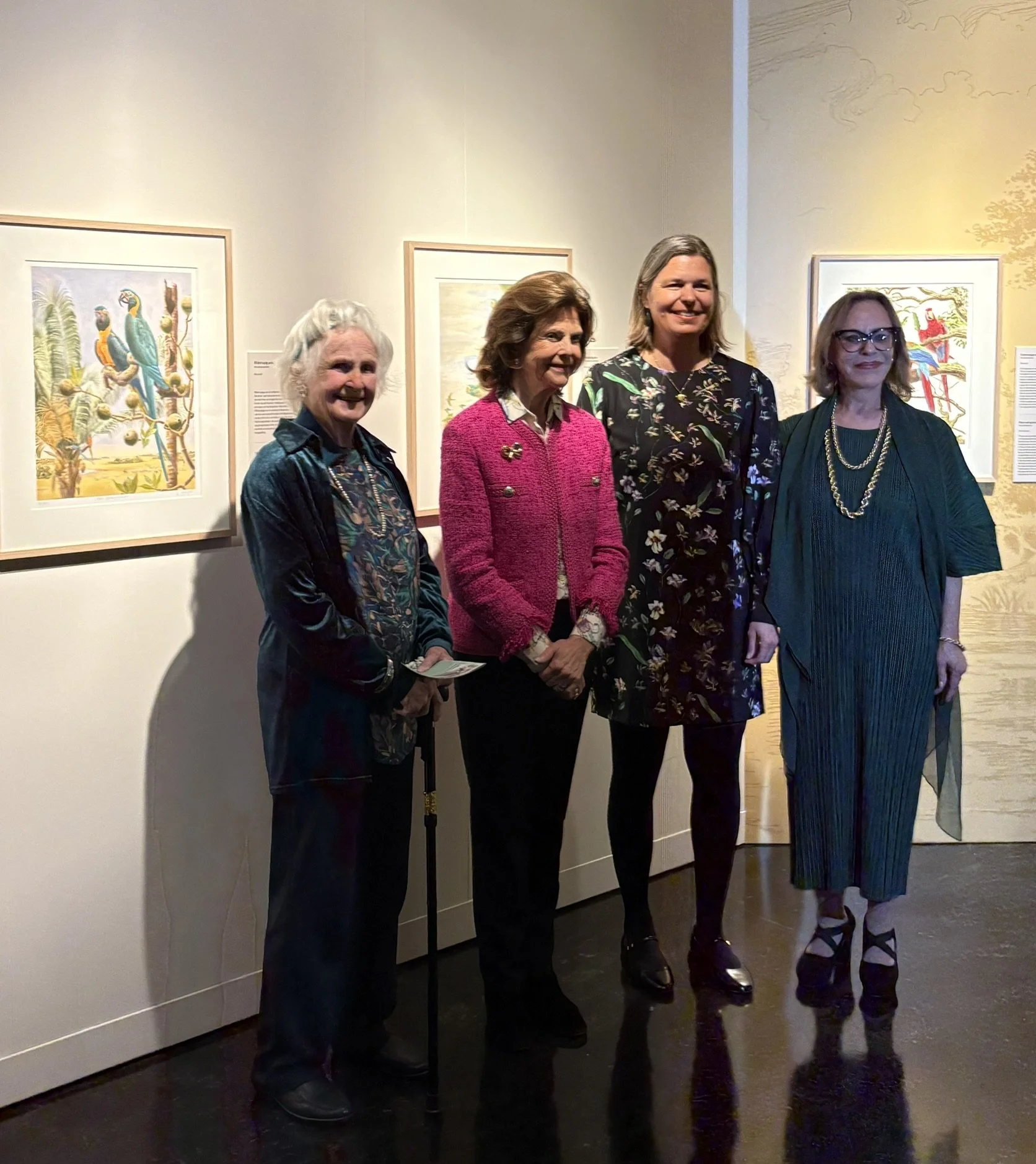
BIRDS OF BRAZIL EXHIBITION OPENED BY THE QUEEN OF SWEDEN
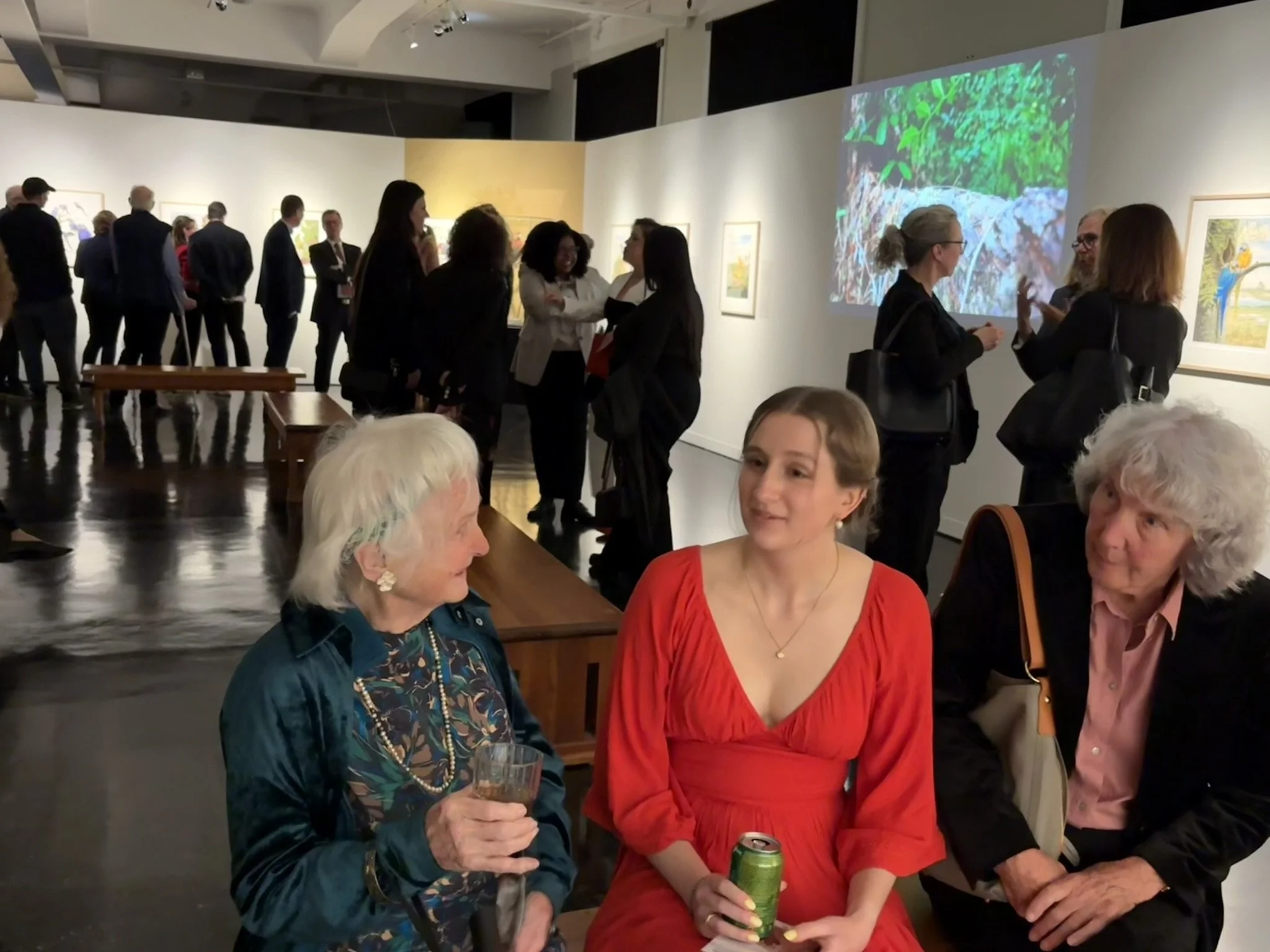
BIRDS OF BRAZIL EXHIBITION 14 MAY 2026 NATURAL HISTORY MUSEUM IN STOCKHOLM
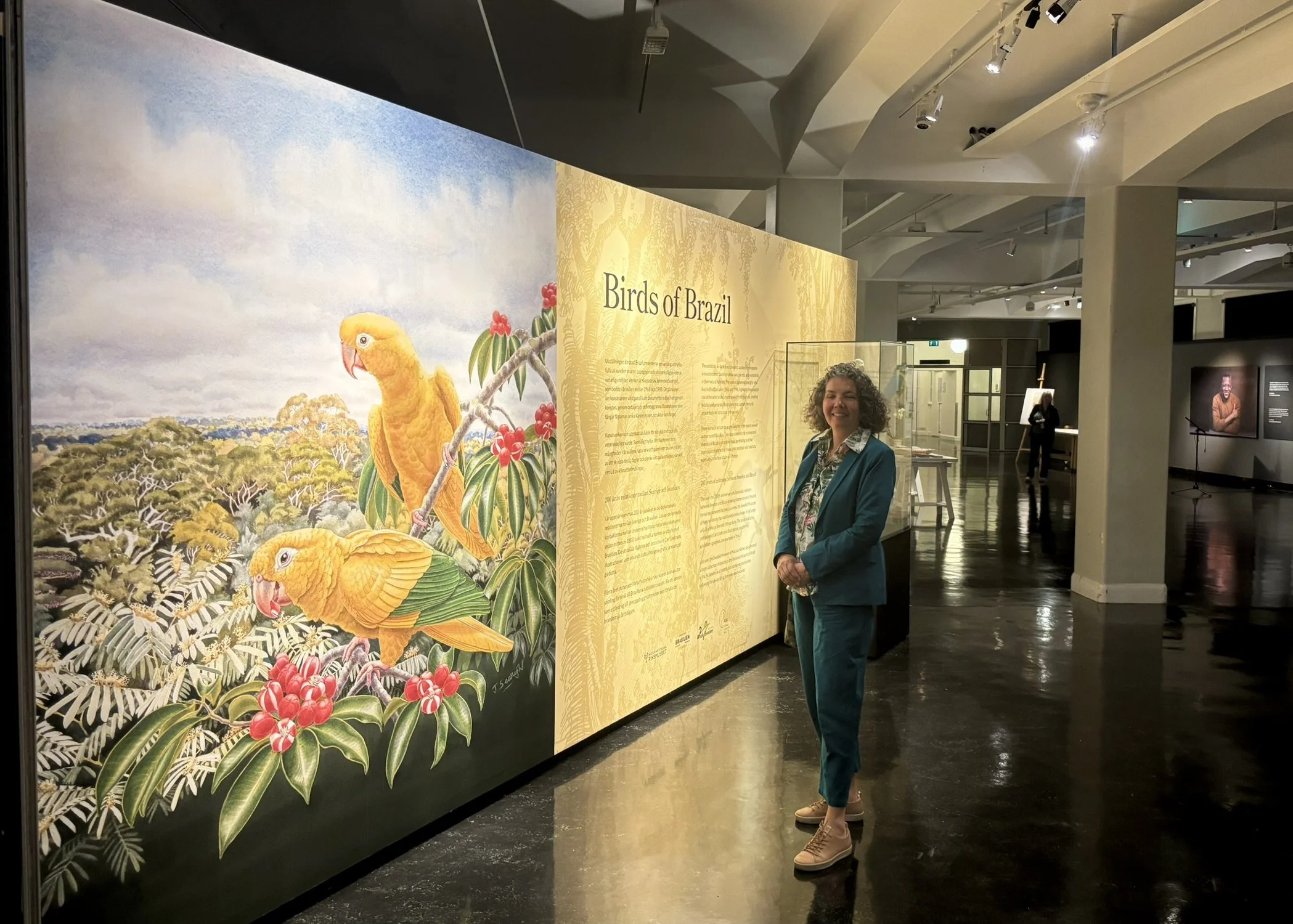
BIRDS OF BRAZIL EXHIBITION 14 MAY 2026 IN THE NATURAL HISTORY MUSEUM IN STOCKHOLM
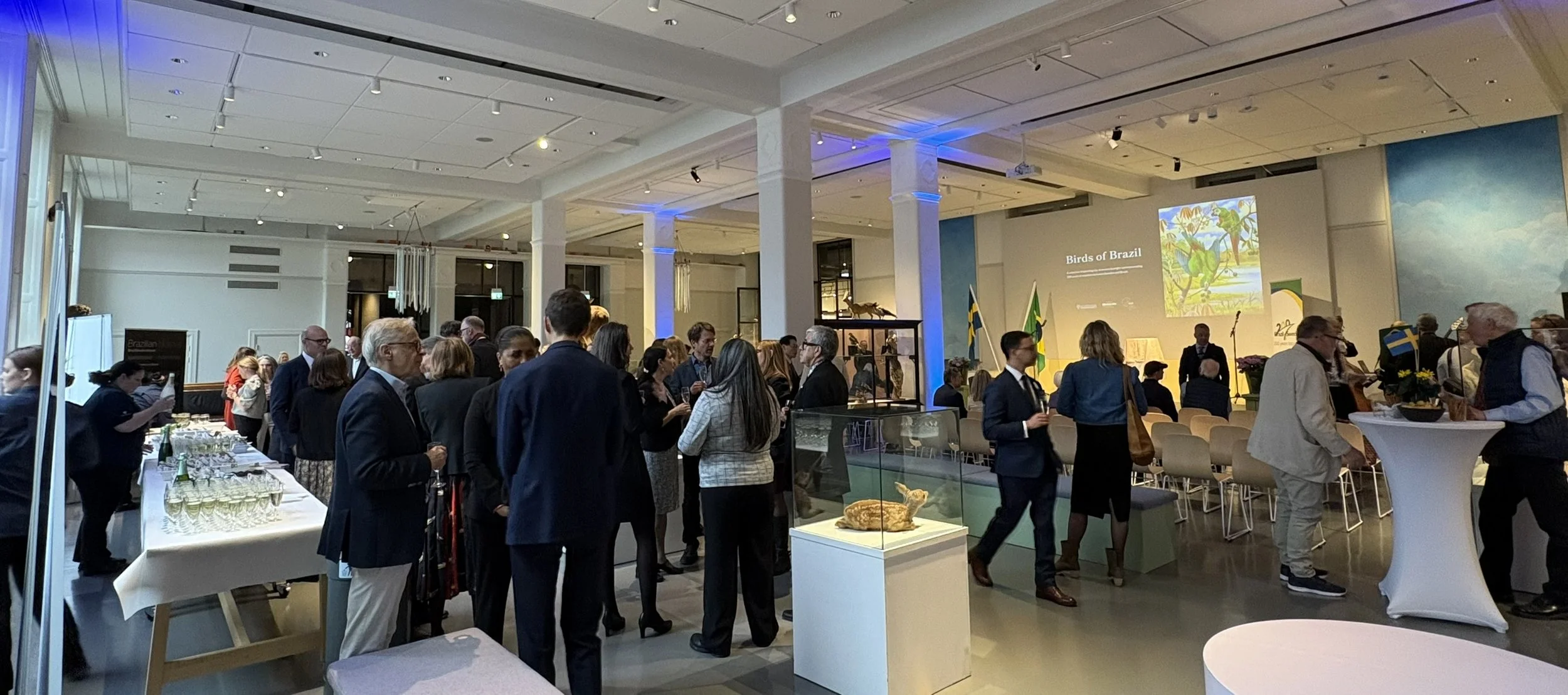
BIRDS OF BRAZIL EXHIBITION OPENED ON 14 MAY 2026 BY THE QUEEN OF SWEDEN IN THE NATURAL HISTORY MUSEUM IN STOCKHOLM
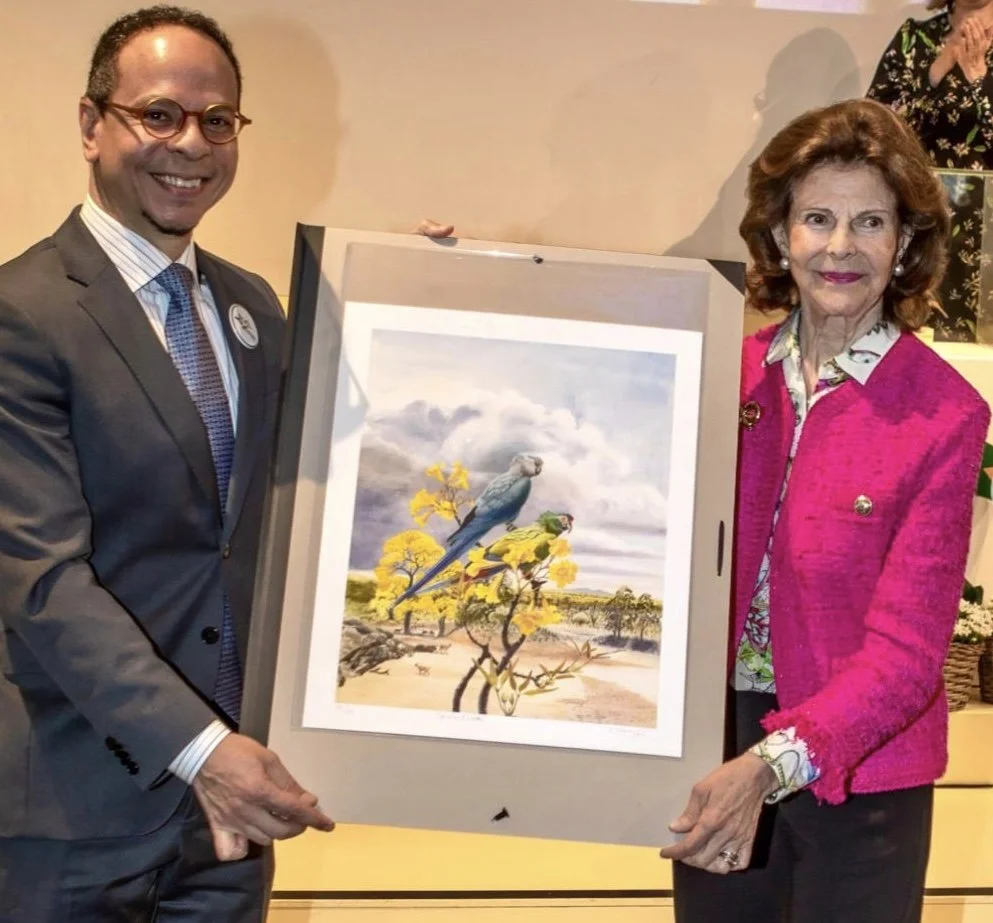
JENEVORA'S GIFT TO THE QUEEN OF SWEDEN AT THE NATURAL HISTORY MUSEUM
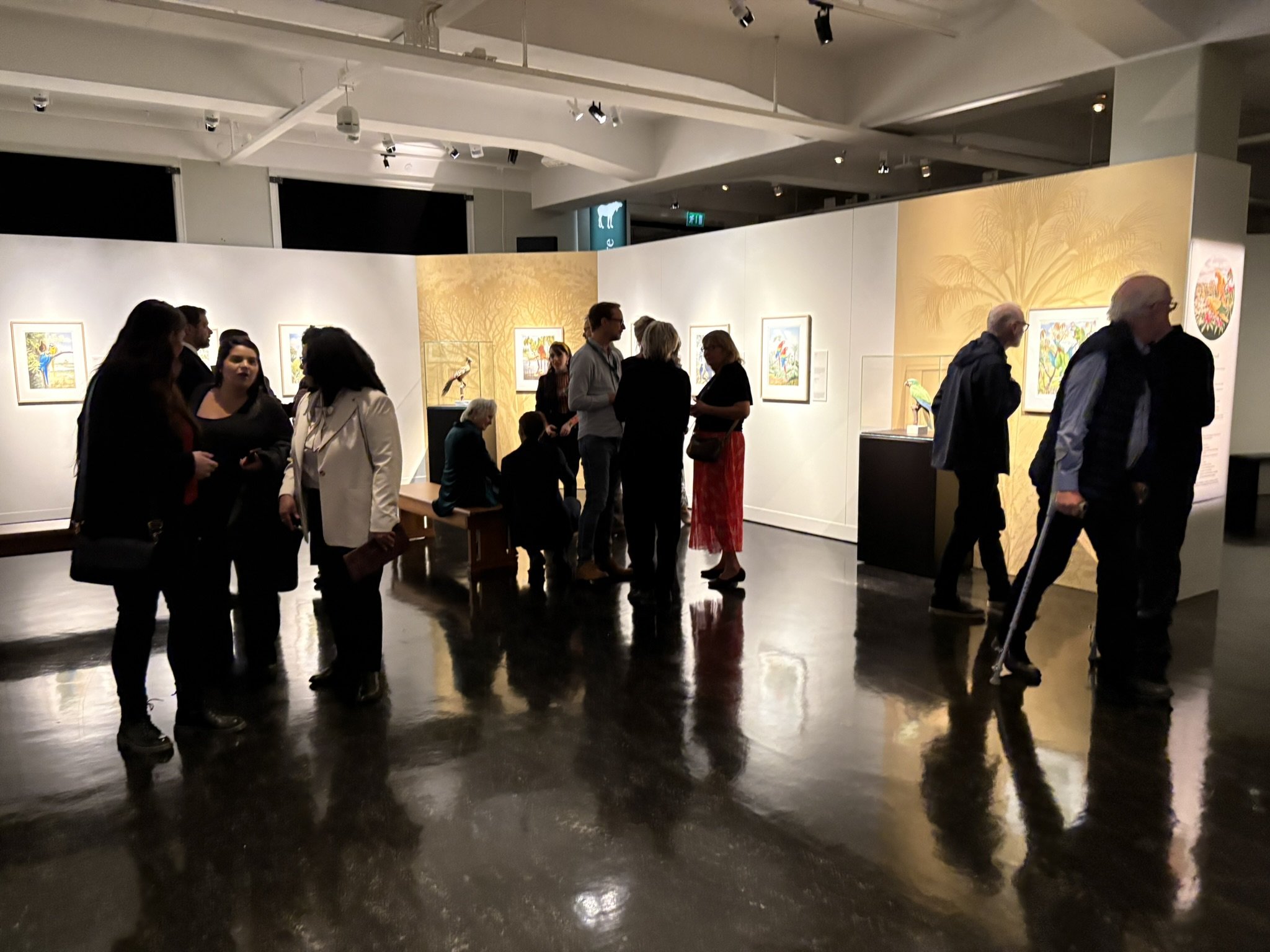
BIRDS OF BRAZIL EXHIBITION AT THE NATURAL HISTORY MUSEUM IN STOCKHOLM
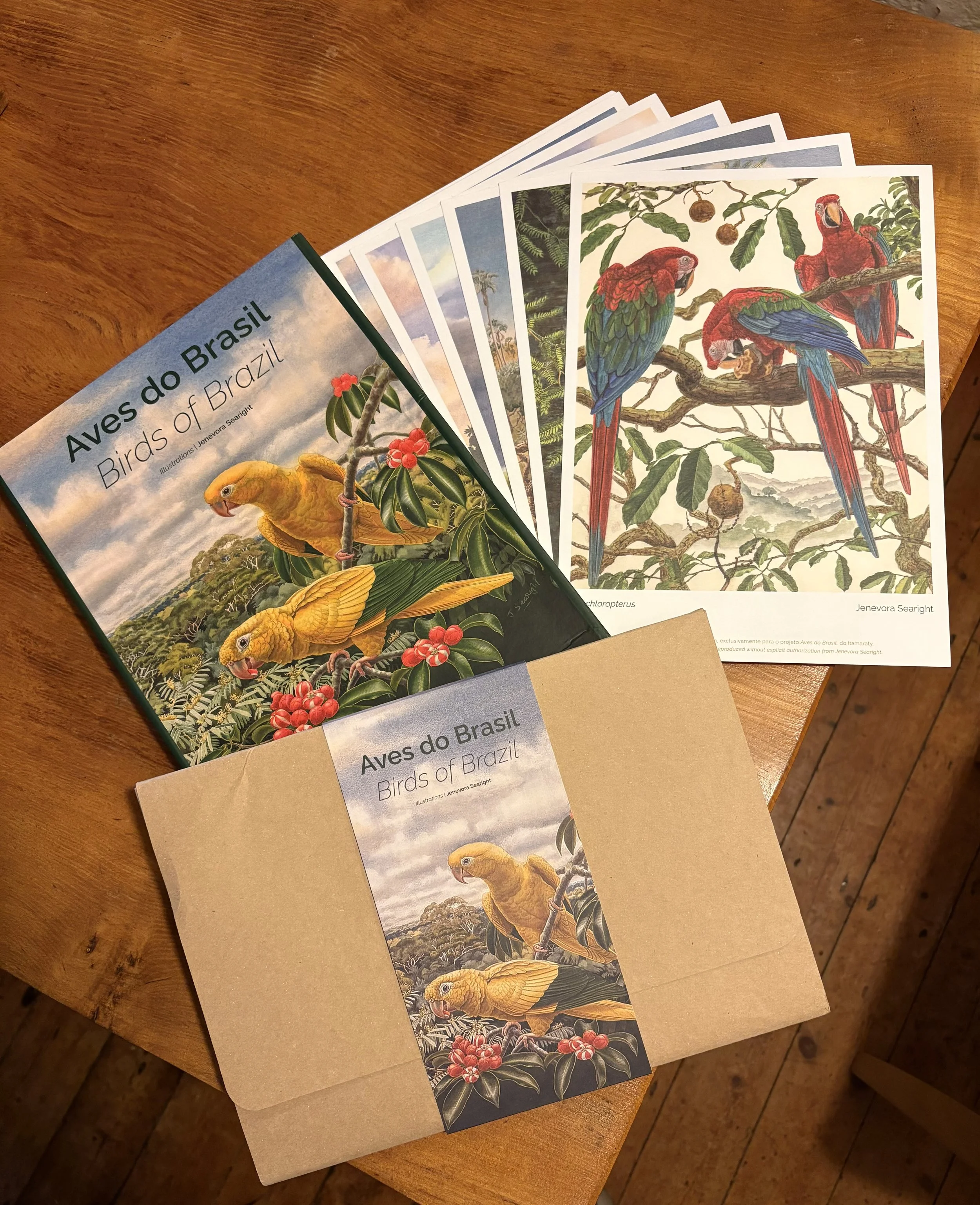
Wiltshire artist to showcase work at COP30 climate summit
Jenevora Searight, who lives in Potterne, near Devizes, left her hometown in 1952 to study fine art at the École des Beaux-Arts in Paris. This would later see her move to Brazil where she spent two decades sketching its wildlife. Prints of her work will be given to delegates at the conference in Belém.
Jenevora said: "I am so surprised and honoured to have my work shared in this way. I was very lucky to travel throughout Brazil, spending time in ecological reserves and national parks where I observed and sketched birds and other wildlife in their habitats. So many species are endangered due to deforestation, a major contributor to global warming. We need to preserve the forests for the sake of the animals and us humans."
Many of the parrots and macaws she painted remain endangered and in 1990 she was fortunate to observe the very last wild Spix’s macaw in a gallery forest of caraibeira trees in northern Bahia. Today cage-bred birds are being released into the wild and will hopefully survive and go on to breed.
Jenevora said: "I remember the Earth Summit held in Rio in 1992 which provided a framework for sustainable development by balancing human needs with environmental protection. Since then, we have lost around 420 million hectares of primary forest worldwide, which is alarming. Not only is biodiversity affected, but local climates too. The loss of forest cover in the Amazon for example disrupts the ‘flying rivers’ of moisture, causing drought in the centre and south of Brazil."
Jenevora hopes that the launch of the Tropical Forest Forever Facility initiative at COP30 will make a difference in Brazil and beyond. The idea is to raise funding for large-scale financial incentives to countries who conserve and increase their tropical forest cover, specifically benefiting local communities and indigenous people.
Gazette & Herald, 7 November 2025
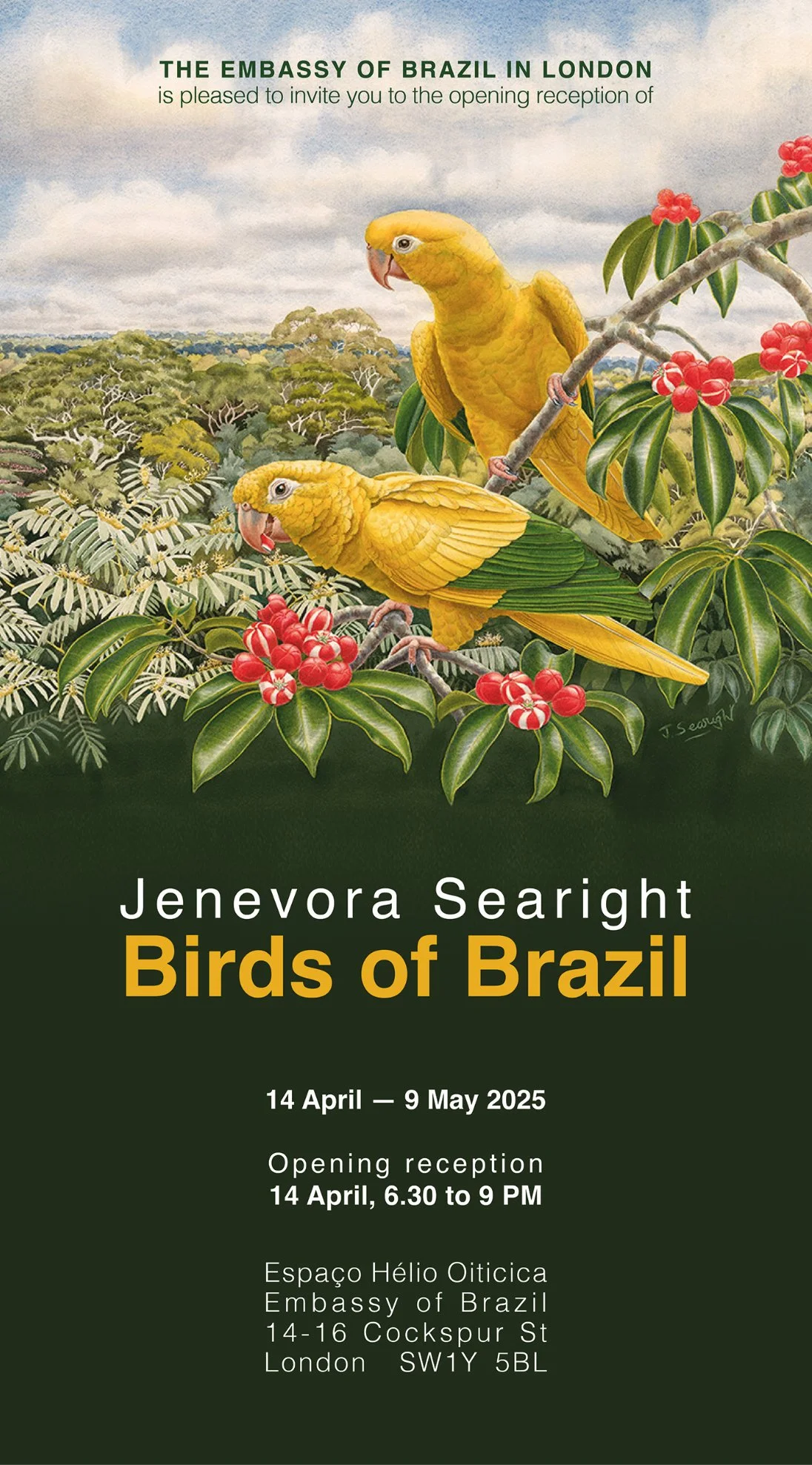
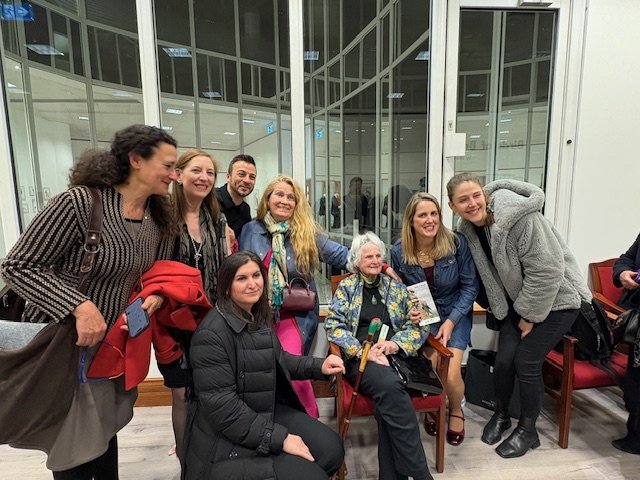
Brazilian Embassy in London
Birds of Brazil exhibition
14 May 2025
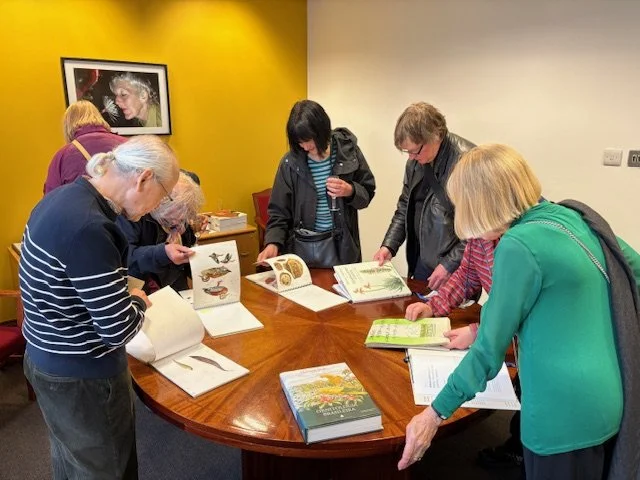
Brazil Pavilion, Expo 2025 Osaka
An 8-minute film of Jenevora Searight’s illustrations of birds in their habitat was transmitted on a 3 x 6 metre wide screen in the Brazil Pavilion in Osaka, Japan. The scale and soundscape of the film made for an immersive and sensory experience, reinforcing the call for the preservation of nature and its fauna.
Embassy of Brazil, Budapest
In 2024, the Embassy of Brazil in Budapest organised multiple exhibitions featuring works by Jenevora Searight.
Birds of Brazil – Curiosities Károlyi Kastély, Fehérvárcsurgó, Petőfi Sándor u. 2.
Brazilian Birds: 24 drawings by Jenevora Searight Vörösmarty Mihály Könyvtár – Gyermekrészleg, Székesfehérvár, Oskola u. 7.
The Great Forest & Araucarias: our treasure Sóstó Látogatóközpont, Székesfehérvár, Csíkvári út 10.